

By Francisco Acevedo
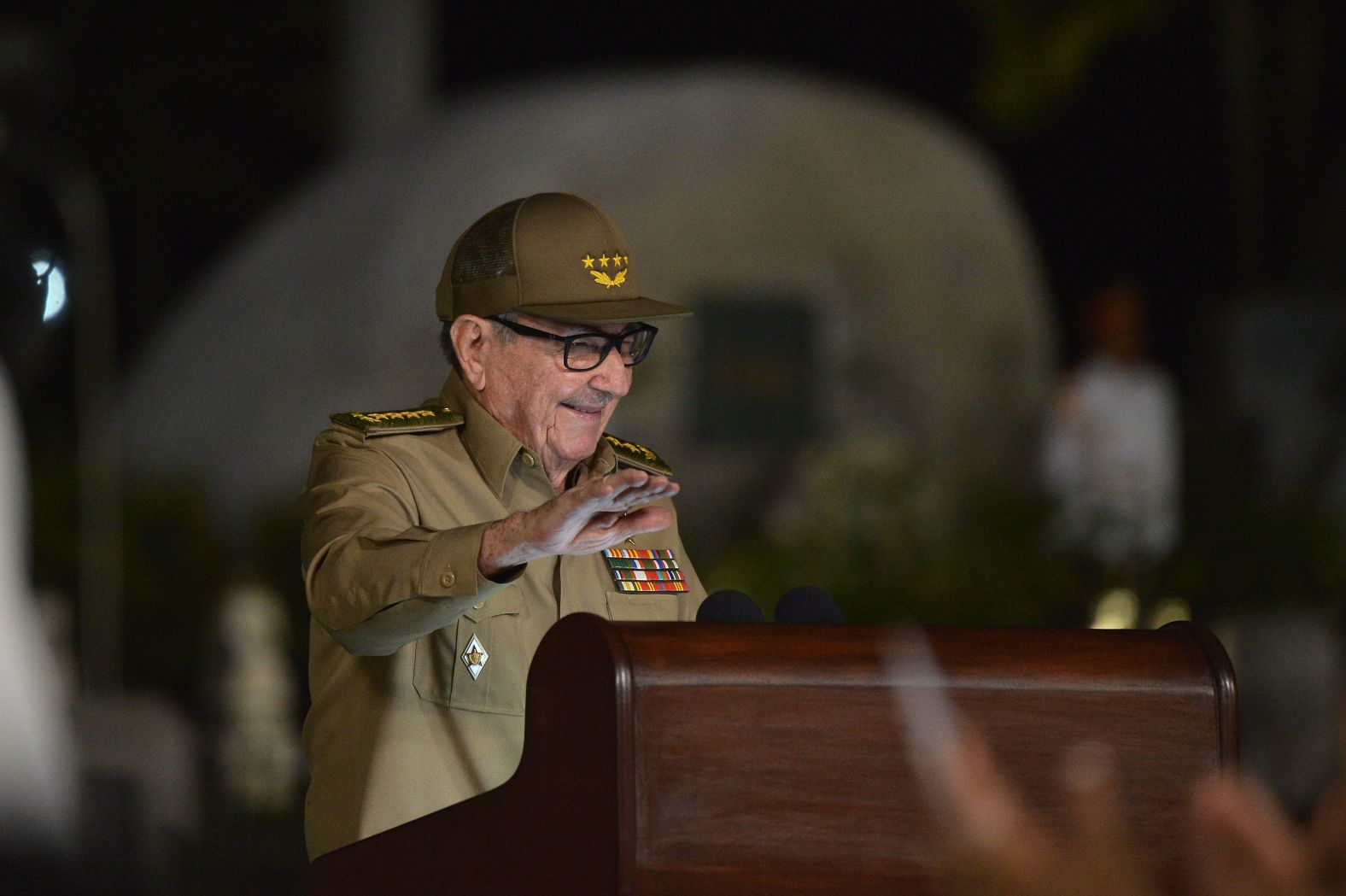
HAVANA TIMES — Among the most relevant news of the past week was the reopening of the criminal investigation into the shootdown of the Brothers to the Rescue planes in 1996, in which the main figure affected is Raul Castro.
Why is it important? Because beyond attempting to end the dictator’s impunity, a favorable ruling could imply an international arrest warrant, similar to the one that led to the capture of Nicolas Maduro on January 3.
The only thing working in Castro’s favor is that he is 94 years old and justice in the USA tends to move slowly. However, since this is an investigation that had already made some progress before the Biden administration canceled it, a ruling could come within a few months, and that could drastically change the fate of both the General and his family.
This is considered a crime against humanity and therefore does not expire, so the 30 years that have passed since Raul and his brother Fidel ordered their MiG fighter jets to shoot down the two single-engine planes belonging to Brothers to the Rescue—carrying three US citizens and one permanent resident—do not matter.
Florida Attorney General James Uthmeier confirmed the reopening of the criminal investigation. “When injustices are committed against Florida citizens, both under state and federal law, those responsible must be held accountable,” Uthmeier stated regarding what happened on February 24, 1996.
From the existing record—opened at the beginning of this century—two combat pilots and a general in command of the Cuban Air Force were charged in connection with the killings of US citizens Mario de la Peña, Carlos Costa, and Armando Alejandre, and permanent resident Pablo Morales.
The case also touched the well-known spy network captured in 1998, since, according to investigations carried out at the time, at least two Cuban agents infiltrated within the organization provided detailed information about flight routes and schedules to the Cuban government, facilitating the military operation.
The two were among The Cuban Five, who now live quietly in Havana after benefiting from a prisoner exchange in 2014 during the administration of Barack Obama. Now there are calls to include among the accused the person ultimately responsible for the decision.
The tragedy provoked a diplomatic crisis between Washington and Havana and, weeks later, led to the tightening of the embargo with the approval of the Helms-Burton Act. However, the regime on the island always justified the shootdown by claiming it had occurred in Cuban waters in order to avoid harsher sanctions, while the accusers maintain that it took place over international waters.
Brothers to the Rescue was a nonprofit organization founded in Miami in the early 1990s, and its members patrolled international waters searching for Cuban rafters attempting to flee the island.
However, in the final weeks of its operations they entered Cuban airspace and even dropped leaflets over Havana’s Malecon, something that greatly embarrassed Fidel himself because of how easily they managed to do it.
Returning to the reopening of the case, its main legal and practical obstacle is that Raul Castro does not reside in US territory. Although there exists an old bilateral extradition treaty, it has not been applied since 1959.
In addition, the fact that the Cuban state maintains control over the narrative surrounding the incident makes it difficult to gather evidence and obtain testimony from those who could provide valuable information to clarify the events.
Nevertheless, its political and moral weight is being evaluated above all else, and the precedent of Maduro encourages thinking beyond traditional courts.
Trump’s Latest Statements Regarding Cuba
This same week, President Donald Trump stated during remarks at an event held at the White House that “it’s only a matter of time” before the dictatorship falls.
“You have no idea; Cuba desperately wants to reach a deal,” he said, referring to the economic crisis the island is experiencing and to behind-the-scenes conversations aimed at reaching an agreement.
He again insisted that they are “talking with Cuba,” which supports unofficial reports of exchanges with members of the Communist Party leadership.
With what happened to Maduro and the recent death of Iran’s supreme leader, Ayatollah Ali Khamenei—who died during the bombings carried out by the United States and Israel against that country—they are seeing their neighbors’ beards burn and putting their own in water, as the old saying goes.
Granma Daily Newspaper Becomes a Weekly
During the week there were several pot-banging protests in Havana over the frequent blackouts, after the country also suffered another disconnection of the National Electric System (SEN) throughout the western region for about 24 hours.
No less significant is the shift of the daily newspaper Granma—the dictatorship’s main propaganda organ—to a weekly publication schedule.
Not even during the worst moments of the so-called Special Period 1990’s crisis did the regime’s pamphlet stop being published. With a reduced format and paper that was practically yellow from the moment it went into circulation, the newspaper continued sending its message of resistance and sustaining the entire official narrative.
Its near closure is the recognition of a monumental defeat in the information sphere, where citizens now prefer to inform themselves on their own rather than through traditional channels. Apparently, the communist leadership is betting everything on television, but they overlook the fact that with constant electricity problems that medium reaches fewer and fewer people, because during the little time they have power they must prioritize survival, which includes domestic chores.
Losing ground in its favorite arena—the battle of ideas—the Cuban government is becoming increasingly fragile, and for the first time the moment of its end seems truly close.
Just in case, authorities in Florida are already reopening the Brothers to the Rescue case in preparation for a possible scenario of democracy, where justice will be fundamental in the tortuous path toward national reconciliation.
Read more from Cuba here on Havana Times.